
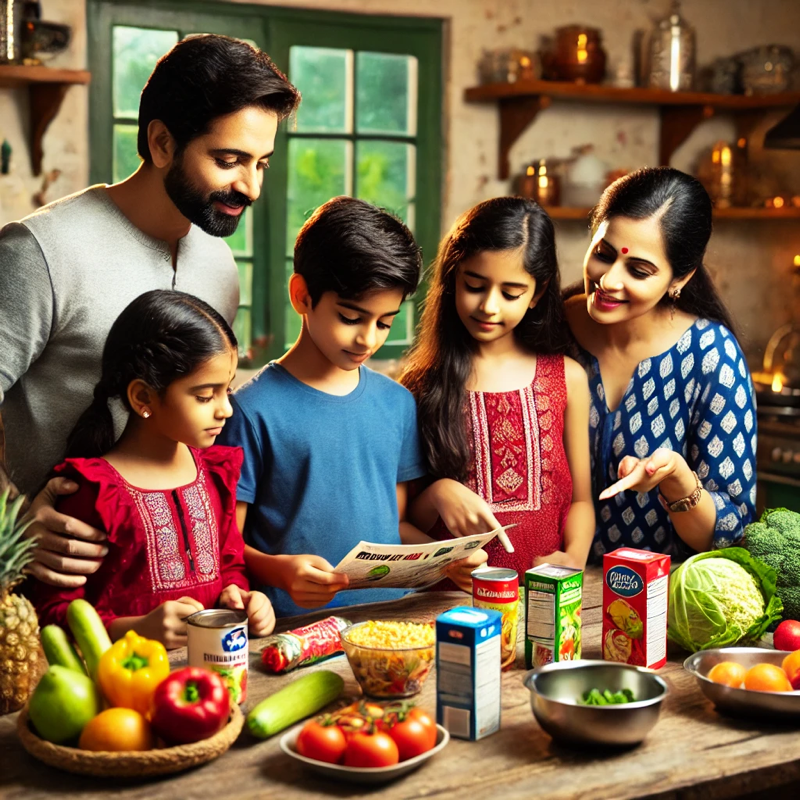
Processed foods have become a staple in many households, but their health risks are a growing concern. Studies show that excessive consumption of processed foods can lead to obesity, diabetes, heart disease, and other long-term health complications. According to a 2023 study published in The BMJ, people who consume high amounts of ultra-processed foods have a 32% higher risk of all-cause mortality compared to those who eat more whole foods.
For homeschooling parents, teaching children about the dangers of processed foods and encouraging healthier eating habits is essential. But how can you make this topic engaging, age-appropriate, and impactful? Below are creative ways to get kids from 3rd to 12th grade excited about understanding nutrition, learning how to read food labels, and making healthier choices.
Why Teach Kids About Processed Foods?
Children who develop early habits of analyzing food choices are more likely to maintain a healthier diet throughout life. The American Heart Association states that nearly 40% of children’s daily calories come from ultra-processed foods—items filled with artificial preservatives, sweeteners, and unhealthy fats.
By teaching kids to critically examine food labels and ingredient lists, they can recognize harmful additives such as:
• High-fructose corn syrup (linked to obesity and diabetes)
• Artificial food dyes (potential behavioral effects in children)
• Sodium nitrates (linked to an increased risk of cancer)
• Hydrogenated oils (contribute to heart disease)
Now, let’s explore engaging methods tailored to different age groups.
Engaging Kids in Nutrition Education by Age Group
Grades 3-5: Interactive Games and Fun Challenges
At this stage, kids are curious and love interactive experiences. Here’s how you can introduce them to food awareness:
1. The Grocery Store Detective 🕵️♂️
• Take kids to the grocery store and have them pick a processed food item.
• Challenge them to count how many ingredients they recognize.
• Have them research what unfamiliar ingredients are and discuss if they are healthy.
Goal: Get kids comfortable with checking food labels while making grocery shopping an educational experience.
2. Sugar Shock Experiment 🍭
• Collect various packaged foods and drinks (cereal, soda, granola bars, juice, etc.).
• Have kids measure out the amount of sugar listed on the nutrition label (1 teaspoon = 4 grams).
• Compare the sugar content of different foods and discuss which have the most.
Impact: Visualizing sugar intake helps kids understand how much sugar they consume daily.
3. Processed vs. Real Food Taste Test 🍎🍩
• Offer a blind taste test of processed foods vs. whole foods (e.g., homemade popcorn vs. microwave popcorn, fresh fruit vs. fruit snacks).
• Have kids describe the taste and discuss which ones feel more “real.”
Lesson: Natural foods taste just as good—if not better—than processed alternatives.
Grades 6-8: Hands-On Science and Cooking Activities
Middle schoolers love hands-on learning and real-world applications. These activities help them analyze food choices in a fun way.
1. The Ingredient Scavenger Hunt 🏆
• Give students a list of harmful additives (e.g., artificial dyes, preservatives, high-fructose corn syrup).
• Challenge them to find and record items containing these ingredients in their pantry or at the grocery store.
• Discuss healthier alternatives for each item.
Critical Thinking: Helps students identify hidden dangers in everyday foods.
2. Food Dye Experiment 🎨
• Use different colored candies or drinks with artificial dyes.
• Place them in water and observe how the dye spreads.
• Discuss how artificial colors impact the body and why natural colorants are better.
Realization: Many processed foods contain unnecessary additives that don’t provide nutritional value.
3. DIY Healthy Snack Challenge 🍿
• Assign kids to create a healthy version of their favorite processed snack (e.g., homemade granola bars vs. store-bought).
• Discuss how whole-food ingredients make a difference in taste and health.
Outcome: Encourages kids to experiment with healthy food swaps.
Grades 9-12: Research, Debate, and Real-World Impact
Teens are ready for a deeper dive into the science behind nutrition. These activities promote critical thinking and real-world application.
1. Food Industry Exposé Research Project 📚
• Assign students to research a fast-food chain or processed food brand.
• Have them investigate the health effects of their ingredients and processing methods.
• Present findings in a report or presentation.
Outcome: Encourages media literacy and informed consumer choices.
2. Label Comparison Challenge 🏅
• Select similar foods from different brands (e.g., granola bars, bread, yogurt).
• Have students compare ingredients and nutrition labels.
• Discuss which brand is the healthiest and why.
Real-World Skill: Develops the habit of comparing labels before buying products.
3. Debate: Are Processed Foods Addictive? 🗣
• Assign students to debate whether food companies design products to be addictive.
• Use scientific research on sugar, fat, and salt’s effects on the brain.
• Encourage discussion on whether government regulations should be stricter.
Critical Thinking: Encourages students to question marketing tactics and corporate responsibility.
Statistics That Highlight the Importance of Early Prevention
Understanding the dangers of processed foods isn’t just theoretical—it has real-life consequences. Here are some key statistics:
• Obesity in Kids: The CDC reports that childhood obesity has tripled since the 1970s, with 1 in 5 children classified as obese.
• Sugary Drinks & Diabetes: A Harvard study found that drinking just one sugary beverage a day increases the risk of type 2 diabetes by 26%.
• Ultra-Processed Food & Mortality: A study from JAMA Internal Medicine found that every 10% increase in ultra-processed food consumption raises mortality risk by 14%.
Tips for Instilling Lifelong Healthy Eating Habits
1. Lead by Example – Kids are more likely to eat healthily if they see parents making nutritious choices.
2. Make Cooking Fun – Involve kids in meal preparation and teach them how to make homemade versions of processed favorites.
3. Set a “Label-Reading” Rule – Before buying any packaged food, check the first five ingredients together.
4. Encourage Small Changes – Swap processed snacks for whole foods one step at a time.
5. Teach the 80/20 Rule – Help kids understand that occasional treats are okay, but whole foods should make up most of their diet.
Final Thoughts: Building Food Awareness for a Healthier Future
Teaching children to be mindful of what they eat isn’t about fear—it’s about empowerment. By engaging them in interactive activities, real-world applications, and age-appropriate discussions, they will develop critical thinking skills and lifelong healthy habits.
Homeschooling provides the perfect setting for deep exploration into nutrition. With hands-on learning, family cooking challenges, and grocery store investigations, kids will be well-equipped to make healthier choices for themselves.
By raising awareness about processed foods early, we help shape a generation that is informed, conscious, and proactive about their health. 🚀🥦



 Homeschool Unleashed
Leave a comment