
Introduction
Homeschooling offers families the flexibility to tailor education to their children’s unique needs. However, one concern often raised is how homeschooled children can develop essential social skills without the daily interactions found in traditional school settings. Community outreach and volunteering present valuable opportunities for homeschooled children to engage with others, fostering socialization and teaching social responsibility.
The Importance of Socialization in Homeschooling
Socialization is crucial for children’s development, encompassing the ability to interact effectively with peers and adults, understand societal norms, and develop empathy. While homeschooling provides academic advantages, parents must proactively seek avenues for their children to build these social skills.
Research indicates that homeschooled children often participate in community activities, co-ops, and extracurricular programs, which can offer diverse social experiences.
Volunteering: A Pathway to Social Growth
Volunteering serves as an excellent platform for homeschooled children to interact with a broad spectrum of individuals, learn teamwork, and develop a sense of civic duty.
Benefits of Volunteering for Homeschooled Children:
- Enhanced Social Skills: Engaging in volunteer work allows children to communicate with various age groups and backgrounds, improving their interpersonal skills.
- Empathy Development: Exposure to different life situations through volunteering fosters understanding and compassion.
- Sense of Purpose: Contributing to community projects can instill a sense of accomplishment and responsibility.
- Academic and Behavioral Improvements: Studies have shown that children who volunteer are more likely to perform well academically and exhibit positive behaviors.
Statistical Insights on Volunteering and Social Connections
- Increased Community Engagement: Individuals who volunteered in the previous year were 24.4% more likely to join community groups or organizations.
- Improved Well-being: Children and adolescents who volunteered were 66% more likely to be considered “flourishing,” indicating higher levels of well-being.
- Reduced Risk Behaviors: Youths who volunteer at least one hour per week are 50% less likely to engage in substance abuse or other destructive behaviors.
Types of Volunteer Activities Suitable for Homeschoolers
- Animal Shelters: Assisting with animal care teaches responsibility and compassion.
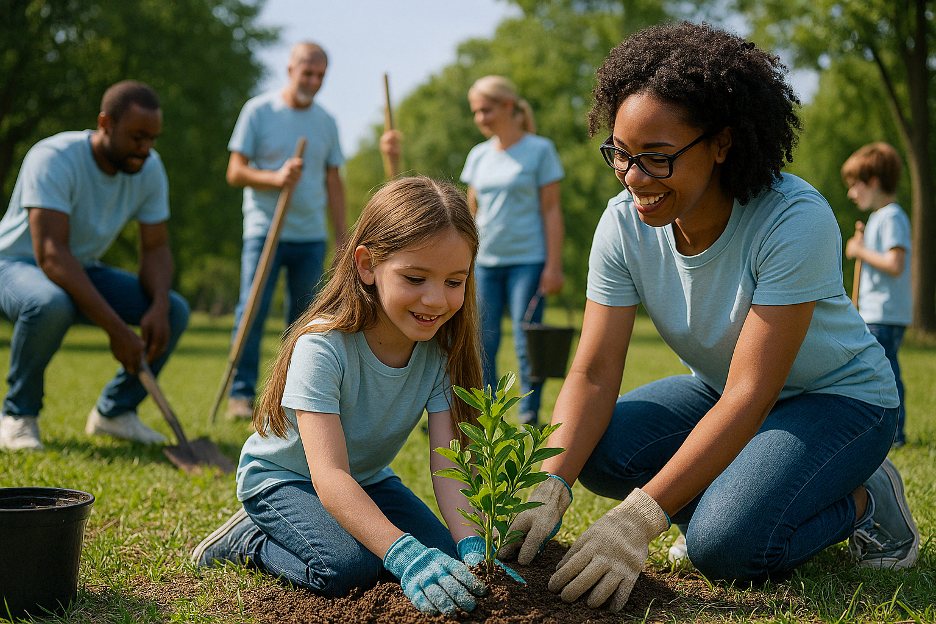
- Community Gardens: Participating in gardening projects promotes teamwork and environmental awareness.
- Libraries and Museums: Volunteering in these settings can enhance organizational skills and cultural knowledge.
- Food Banks: Helping distribute food to those in need fosters empathy and community involvement.
- Environmental Clean-ups: Participating in local clean-up efforts encourages environmental stewardship.
Finding Volunteer Opportunities
- Local Nonprofits: Reach out to organizations in your area that align with your child’s interests.
- Religious Institutions: Many churches and religious groups offer community service programs.
- Online Platforms: Websites like VolunteerMatch and Idealist list various volunteer opportunities.
- Community Centers: Check bulletin boards or newsletters for upcoming events and programs.
Integrating Volunteering into Homeschool Curriculum
- Service-Learning Projects: Combine academic objectives with community service to reinforce learning.
- Reflection Activities: Encourage children to journal or discuss their volunteer experiences to deepen understanding.
- Cross-Disciplinary Connections: Link volunteer activities to subjects like science (environmental projects) or social studies (community history).
Conclusion
Community outreach and volunteering are invaluable tools for homeschooling families to provide their children with meaningful socialization experiences. These activities not only enhance social skills but also instill a sense of responsibility and community awareness. By actively seeking and integrating volunteer opportunities, parents can ensure their homeschooled children develop into well-rounded, socially adept individuals.



 Homeschool Unleashed
Leave a comment