Real-World Learning Ideas for Homeschool Families on the Go
Summer is here, and for many homeschool families, that means travel season. Whether you’re flying across the country to visit family, exploring historical landmarks, or embarking on a summer adventure, real-life learning doesn’t have to pause at the airport gate. In fact, airport travel offers a unique opportunity to infuse your homeschool curriculum with meaningful, real-world lessons.
In this article, we’ll show you how to make the most of your travel experience by incorporating educational activities into your airport and flight time. From researching your destination to understanding aviation history and TSA procedures, there are countless ways to engage your child’s curiosity while building practical knowledge that sticks.
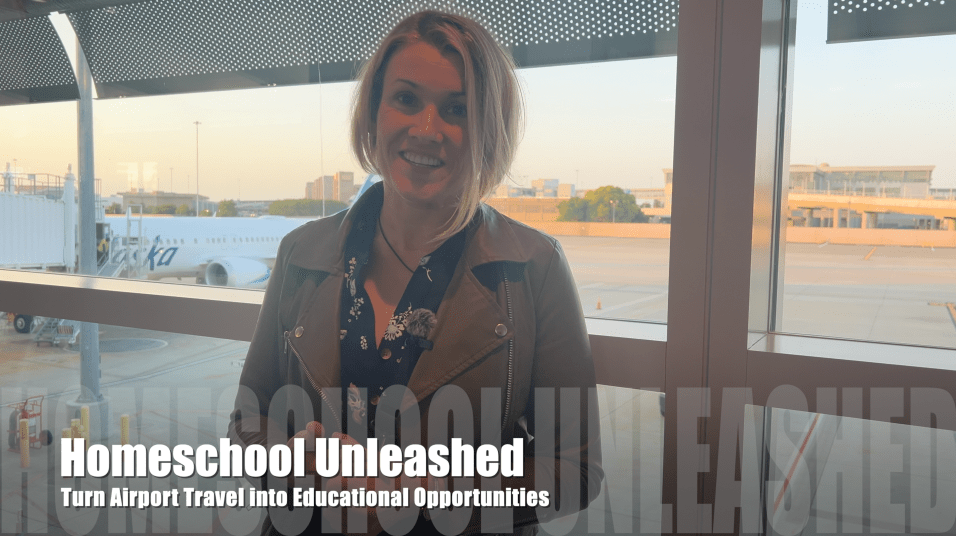
Check out our YouTube episode on this topic visit: https://youtu.be/tFt85ju-5EI
Why Use Travel as a Learning Opportunity?
One of the greatest benefits of homeschooling is flexibility—and that includes how and where learning takes place. Traditional classroom settings can’t replicate the sensory experiences of travel: the hustle of an airport, the physics of flight, or the cultural differences you encounter at your destination.
By embracing learning on the go, you not only keep your child engaged during travel but also help them connect abstract concepts to real-life experiences. That’s the essence of real-life education—teaching that is meaningful, memorable, and rooted in the world around us.
1. Research the Destination: A Geography and Culture Lesson
Before your trip even begins, involve your children in researching the place you’re traveling to. This becomes a rich lesson in geography, culture, and current events.
Learning Activities:
- Identify your destination on a map or globe.
- Research the local climate, language, landmarks, and cultural traditions.
- Create a travel journal where your child can write down fun facts or questions they have about the location.
- Discuss how the local history shaped the region.
- Research interesting sites to see and explore.
- Research dangers and know-before-you-go facts.
📌 Tip: Have your child prepare a short report or visual presentation before the trip—perfect for developing writing and public speaking skills.
2. Learn About the History of Aviation
Flying can be exciting and mysterious for kids. Why not tap into that wonder with a quick unit on the history and science of flight?
Topics to Explore:
- The Wright brothers and the invention of the airplane
- How airplanes stay in the air (basic aerodynamics)
- Different types of aircraft (commercial, military, cargo, etc.)
- The evolution of airline travel over the decades
You can reinforce these topics through videos, documentaries, or museum visits if your airport has a historical exhibit.
📘 Bonus: Some airports, like San Francisco or Washington D.C., have small aviation museums right on-site.
3. TSA and Airport Safety: Understanding the “Why” Behind the Rules
For many kids, going through airport security can feel overwhelming. Turn this experience into a civics or social studies lesson by learning about the TSA (Transportation Security Administration), its history, and its role in national security.
Discussion Points:
- Why was the TSA created? (Post-9/11 security)
- What are the main rules passengers have to follow, and why?
- What happens behind the scenes in airport security?
Activity Idea: Create a role-play scenario where your child acts out going through security and explaining what each step is for.
This can help reduce anxiety and build social awareness.
4. In-Flight Learning: Etiquette and Responsibility
Your flight is more than downtime—it’s a chance to practice social skills and personal responsibility.
Things to Teach:
- Airplane etiquette: being quiet, courteous, and respectful
- Reading safety cards and understanding flight crew instructions
- Using headphones, managing screen time, and respecting shared spaces
- Packing your own carry-on responsibly
🧳 Let your child help pack their carry-on with books, activities, snacks, and a journal.
5. Real-World Math and Science Lessons in the Airport
From check-in to boarding, airports are full of opportunities to sharpen math and science skills.
Math Ideas:
- Calculate travel time and arrival times across time zones
- Convert currency if traveling internationally
- Add up baggage weights or snack costs
Science Concepts:
- How jet engines work
- What causes turbulence
- Weather and its impact on flight schedules
6. Keep a Travel Journal or Video Blog
Encourage your child to document their journey. Whether it’s through journaling, drawing, or recording short video reflections, this helps reinforce what they’ve learned and gives them something to look back on.
Suggestions:
- Keep a homeschool travel journal
- Write a daily entry about what they saw and learned
- Draw maps or sketch new things
- Record voice memos or video summaries of fun facts
7. Connect Learning Back Home
Once the trip is over, help your child synthesize what they learned with a post-trip project:
- Create a scrapbook, digital slideshow, or poster
- Write a short story or essay inspired by the trip
- Host a “travel show” where they present their experience to friends or family
This helps reinforce retention and teaches presentation skills.
Final Thoughts: Learning Is Everywhere—Even at 30,000 Feet
Homeschooling gives you the unique freedom to see the world as your classroom. When you approach travel with a learning mindset, everyday experiences become powerful lessons. From the moment you leave your house to the time you land at your destination, there are countless opportunities to inspire curiosity, teach responsibility, and deepen your child’s understanding of the world.
So next time you’re heading to the airport, don’t leave your homeschool mindset behind—pack it in your carry-on and take it with you.
✨ Free Resources & Book for Homeschool Parents
For more homeschool ideas, real-life learning strategies, and flexible curriculum tips, visit
📚 And don’t forget to grab your copy of:
Homeschool Unleashed: How to Start, Plan and Thrive in Your Homeschool Journey
Available now on Amazon and Barnes & Noble.



 Homeschool Unleashed
Leave a comment