
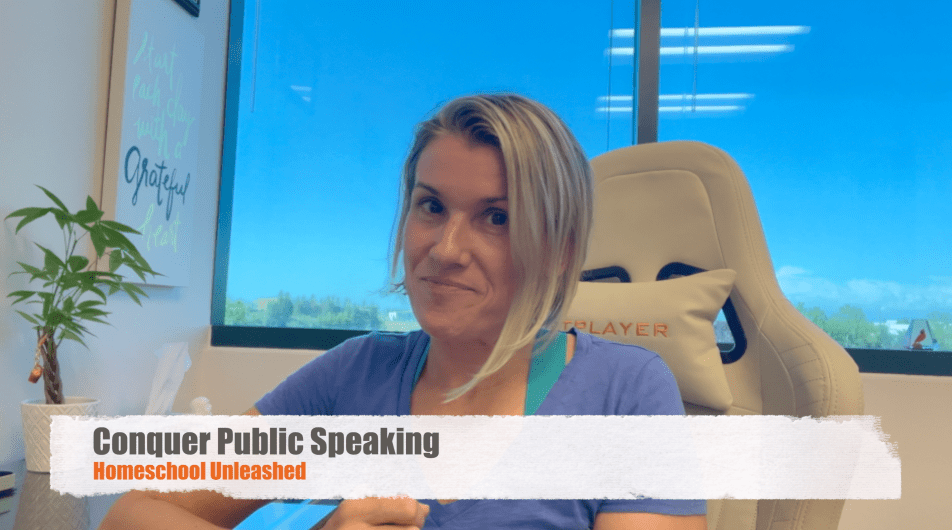
Public speaking is one of the most universally feared activities in modern society. Studies repeatedly show that people often fear speaking in front of others more than they fear heights, spiders, or even death. Yet, despite this anxiety, public speaking is also one of the most essential life skills we can develop. Whether it’s for career advancement, social connection, or personal growth, the ability to communicate clearly and confidently in front of others is a key to unlocking opportunities.
In this article, we’ll explore why public speaking is so important, how fear and anxiety hold many people back, and practical steps you can take to overcome these fears. Most importantly, we’ll emphasize that everyone has a unique voice and message to share with the world—and by failing to practice and overcome speaking anxiety, we do a disservice not only to ourselves but to the world around us.
For my related YouTube video, check out: https://youtu.be/zh-lipd3NDg
Why Public Speaking Matters in Everyday Life
Public speaking isn’t just about standing at a podium in front of hundreds of people. It’s woven into countless aspects of everyday life:
- Job Interviews: Presenting yourself clearly and confidently can mean the difference between landing a job or missing the opportunity.
- Sales and Business: Sales pitches, client meetings, and team presentations rely on strong communication skills.
- Relationships: Effective communication is the backbone of personal and professional relationships.
- Celebrations: From giving a wedding toast to sharing memories at a birthday or retirement party, speaking in front of others creates lasting impact.
- Teaching and Sharing Knowledge: Parents, teachers, pastors, and mentors all use public speaking to inspire, educate, and guide.
When you broaden the definition of public speaking, you realize that we all participate in it—whether in front of two people, twenty people, or two hundred.
The Science of Fear: Why Public Speaking Creates Anxiety
If you feel your heart racing before speaking in front of a group, you’re not alone. Glossophobia, the fear of public speaking, affects roughly 77% of people to some degree (National Institute of Mental Health).
The fear often stems from:
- Social judgment: Worrying about what others will think.
- Fear of failure: Concern that mistakes will ruin credibility.
- Physiological response: Sweaty palms, shaky voice, and racing heartbeat triggered by adrenaline.
Yet, psychologists emphasize that the best way to overcome this fear is not avoidance but exposure. The more you practice public speaking, the less intimidating it becomes.
The Case for Starting Young
Research shows that the earlier children are exposed to public speaking, the more comfortable they become as adults. A 2021 study published in Frontiers in Psychology found that children who participated in structured public speaking activities from elementary school onward developed stronger confidence, empathy, and communication skills compared to peers who did not.
Schools that encourage debate teams, drama clubs, or student leadership help normalize speaking in front of groups. For adults who didn’t have those opportunities, the same principle applies: it’s never too late to start, but the earlier you begin, the more natural it becomes.
The Legacy of Communication: Why Your Voice Matters
Throughout history, powerful communicators have shaped civilizations—think of leaders like Martin Luther King Jr., Winston Churchill, and Maya Angelou. Their words inspired action, built unity, and transformed lives.
But public speaking isn’t just for world leaders. Each of us carries a unique perspective, story, or idea that no one else can share. When we allow fear to silence us, we not only limit ourselves but also deny others the gift of our insight.
Public speaking isn’t about perfection. It’s about connection. And connection is what allows your ideas, values, and legacy to live on.
Checklist: How to Overcome Social Anxiety and Public Speaking Fear
If you want to improve your confidence in speaking situations, here’s a practical checklist you can follow:
1. Take a Public Speaking Class
Organizations like Toastmasters International or community college courses provide structured opportunities to practice in a supportive environment.
2. Seek Open Mic Opportunities
Comedy clubs, poetry readings, or storytelling nights provide informal but powerful practice.
3. Volunteer to Teach or Present
Offer to lead a group discussion at work, teach a workshop at your local library, or volunteer to read at community events.
4. Practice at Church or Faith Gatherings
Many people gain confidence by speaking in front of smaller, supportive audiences, such as reading scripture or sharing testimonies.
5. Try Performing Arts
Enroll in acting, improv, or dance classes where performing in front of others is part of the experience.
6. Record Yourself
Use your phone to record practice speeches. Watching yourself back helps identify strengths and areas for improvement.
7. Start Small, Scale Up
Speak in front of one or two trusted friends, then gradually expand your audience size.
8. Adopt Breathing and Relaxation Techniques
Slow breathing or mindfulness exercises reduce physical anxiety before speaking.
9. Focus on the Message, Not Yourself
Shift your attention from your nervousness to the value you’re offering the audience.
10. Commit to Consistent Practice
The most important rule: do it often. Speaking regularly will desensitize your fear.
The “Exposure Principle”: Why Repetition Builds Confidence
Psychologists call it exposure therapy—facing a fear in controlled, repeated ways until it loses power over you. Public speaking works the same way. Each time you speak, whether in front of two people or two hundred, you train your brain to recognize that the experience is survivable—and even enjoyable.
A 2017 Harvard Business Review article noted that people who deliberately practiced public speaking at least once per week reported a 50% reduction in anxiety levels within six months.
Public Speaking and Career Advancement
According to a 2020 LinkedIn survey, communication is one of the top five soft skills employers seek in candidates. Effective public speaking isn’t just a nice-to-have; it’s a career accelerator.
Professionals who can articulate ideas confidently often:
- Earn promotions faster.
- Close more deals in sales.
- Establish themselves as thought leaders.
- Build stronger professional networks.
In short, learning to speak well is one of the highest-return investments you can make in your career.
The Ripple Effect on Personal Life
Public speaking doesn’t just improve your career—it transforms your personal life:
- Stronger relationships: Clear communication reduces misunderstandings.
- Community involvement: Speaking up at local events helps you make an impact.
- Parenting: Children model what they see. When they watch you speak confidently, they learn to do the same.
In fact, a study published in Journal of Applied Psychology found that adults who practiced public speaking also reported greater overall life satisfaction and lower levels of social isolation.
Practical Tips for Daily Practice
You don’t need a formal stage to start practicing. Here are ways to build confidence every day:
- Speak up in meetings instead of holding back.
- Offer to make a toast at dinner with friends.
- Tell a story during family gatherings.
- Join online speaking groups or webinars.
- Create a YouTube channel or podcast.
Every interaction becomes an opportunity to strengthen your voice.
Turning Anxiety Into Energy
Instead of trying to eliminate nerves, reframe them. The adrenaline you feel before speaking is the same chemical rush athletes feel before competition. Research from the University of Rochester found that people who reinterpret anxiety as excitement performed better in public speaking tasks compared to those who tried to suppress their nerves.
When to Start: The Sooner, the Better
Public speaking skills can be nurtured at any age. But like learning a language or playing an instrument, the earlier you start, the more natural it becomes.
- Children benefit from show-and-tell, drama, and debate programs.
- Teens can develop leadership skills through student councils or clubs.
- Adults can overcome lifelong anxiety by starting small and practicing consistently.
The key is simple: start now, wherever you are.
Final Thought: Your Voice Is Your Legacy
Every person carries wisdom, experiences, and stories worth sharing. Public speaking isn’t about becoming famous or perfect; it’s about ensuring that your voice is heard, your message is understood, and your presence leaves an impact.
If fear has been holding you back, remember this truth: by staying silent, you deny the world your unique contribution. By stepping into public speaking—whether in a classroom, boardroom, or living room—you not only conquer your own anxiety, but you also give others permission to do the same.
For more encouragement in Homeschooling strategies, and step-by-step guides, visit homeschoolunleashed.com. And for parents starting fresh, check out Homeschool Unleashed: How to Start, Plan, and Thrive in Your Homeschooling Journey, available now on Amazon and Barnes & Noble.



 Homeschool Unleashed
Leave a comment