
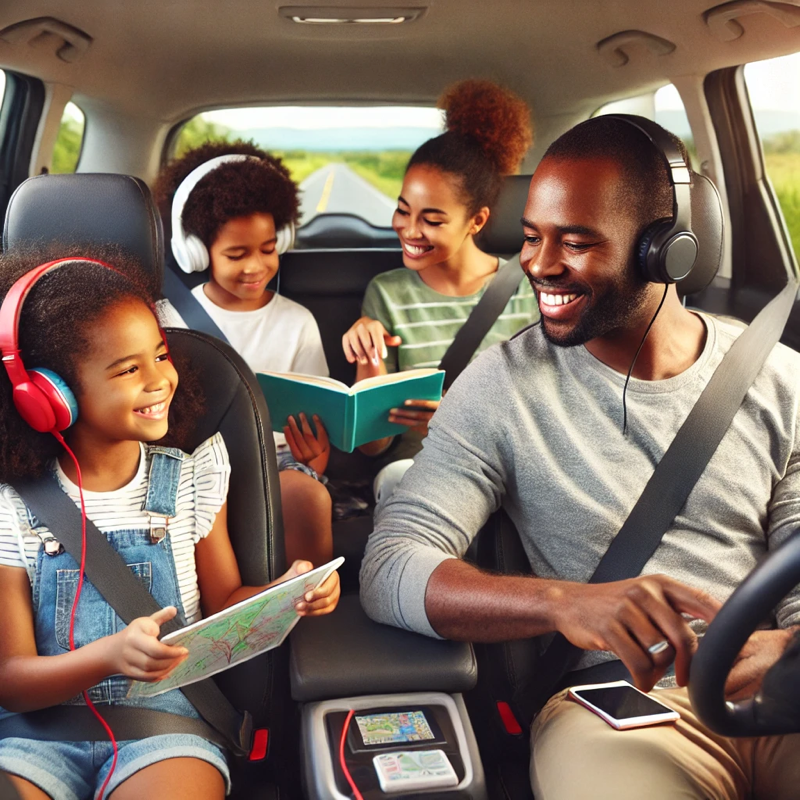
Traveling by car offers families a unique opportunity to transform transit time into enriching educational experiences. With the average American spending approximately 55 minutes daily behind the wheel, this cumulative time can be harnessed to foster learning, curiosity, and mindfulness among children. By integrating resources such as CDs, podcasts, and interactive discussions, parents can create a mobile classroom that not only educates but also entertains.
The Educational Potential of Car Travel
A survey revealed that 90% of parents spend up to 20 hours per week driving with their children. This substantial amount of time presents a valuable opportunity to engage children in educational activities. Moreover, incorporating mindfulness practices during car rides can enhance focus and emotional regulation, contributing to better learning outcomes.
Creative Ways to Educate While Traveling
1. Language Learning Through Audio Resources
Introducing children to new languages during car rides can be both fun and effective. Utilize language learning CDs or podcasts designed for kids, which often incorporate songs, stories, and interactive elements to make learning engaging. Consistent exposure during daily commutes can significantly improve language retention and pronunciation skills.
2. Podcasts That Spark Curiosity
A plethora of educational podcasts cater to children’s natural curiosity. Topics range from science and history to storytelling and current events. Listening to these podcasts can stimulate questions and discussions, encouraging critical thinking and a deeper understanding of various subjects.
3. Audiobooks for Literary Exploration
Audiobooks offer a gateway to literature, allowing children to experience stories beyond their reading level. Choose classics or contemporary tales that align with their interests or school curriculum. This practice enhances listening skills, vocabulary, and imagination.
4. Interactive Educational Games
Engage children with verbal games that promote learning. For instance, “20 Questions” encourages deductive reasoning, while “I Spy” can be adapted to focus on letters, colors, or shapes, reinforcing observational skills and vocabulary.
5. Mindfulness and Meditation Exercises
Incorporating mindfulness practices can help children develop emotional regulation and concentration. Simple breathing exercises or guided meditations designed for kids can be played during the journey, creating a calm and focused environment.
6. Discussions on Current Events
Use travel time to discuss age-appropriate news topics. This not only keeps children informed but also develops their ability to analyze information and form opinions. Encourage them to ask questions and express their thoughts, fostering open communication.
7. Science and Nature Talks
Explore scientific concepts or natural phenomena through dedicated podcasts or recorded lectures. Topics like space exploration, wildlife, or environmental conservation can ignite a passion for science and awareness of the natural world.
8. Music and Art Appreciation
Introduce children to various music genres or art history through audio resources. Discuss different musical instruments, famous composers, or artists, enhancing their cultural knowledge and appreciation for the arts.
9. Mathematical Challenges
Pose math problems or puzzles appropriate for your child’s age. This could range from simple addition and subtraction for younger kids to more complex problems for older ones. Such activities sharpen problem-solving skills and numerical fluency.
10. Geography and Map Skills
Use your travel route to teach geography. Discuss the states, cities, or landmarks you pass, and encourage children to follow along on a map. This enhances spatial awareness and knowledge of geography.
Implementing Educational Car Activities
• Plan Ahead: Select audio materials or topics before the trip to ensure content is appropriate and aligns with educational goals.
• Engage Actively: Encourage children to ask questions and share their thoughts on the material. Active participation reinforces learning and makes the experience more enjoyable.
• Balance Activities: Mix different types of content to maintain interest. For example, alternate between a language lesson and a storytelling podcast.
• Create a Routine: Consistent scheduling of educational activities during car rides can establish a routine that children look forward to.
Conclusion
Transforming car travel into an educational experience leverages otherwise idle time to benefit children’s learning and development. By thoughtfully incorporating audio resources, interactive discussions, and mindfulness practices, parents can create a dynamic and engaging mobile classroom. This approach not only enriches the educational journey but also strengthens family bonds through shared learning experiences.





Leave a Reply