

In the beautiful chaos of homeschooling, it’s easy for parents – especially those doing it solo – to feel overwhelmed by the never-ending responsibilities of managing both academics and the household. But what if we told you that one of the most powerful lessons you can teach your children is how to run and maintain the home they live in? Integrating household management into your homeschooling curriculum isn’t just practical – it’s transformational.
Not only does it set your children up for long-term success as self-sufficient, well-balanced adults, but it also creates a cooperative environment at home where everyone contributes. The age-old saying holds true: “Teamwork makes the dream work.” And in a homeschool setting, many hands truly do make light work.
This article will guide you through the why and how of making home maintenance a core part of your homeschool routine. It’s time to reclaim balance, reduce stress, and raise kids who know how to cook a meal, fold laundry, clean a bathroom, and manage a schedule – skills that are just as important as math or language arts.
Why Teaching Household Skills is Essential
When parents shoulder all domestic duties, it can quickly lead to burnout. In fact, according to a 2022 study from the American Psychological Association, nearly 70% of parents reported feeling overwhelmed by the combination of work, school, and household responsibilities.
But the home doesn’t have to be a one-person show. By teaching your children how to properly clean, cook, organize, and manage a home, you’re instilling:
- Responsibility and accountability
- Time management and organization
- Practical problem-solving skills
- Respect for shared spaces and possessions
Moreover, these lessons prepare kids for real life. A 2019 survey by OnePoll revealed that 52% of American adults admitted they were never taught basic home maintenance tasks growing up – from unclogging a drain to cooking a simple meal. As homeschooling parents, we have a golden opportunity to change that trajectory.
How to Turn Household Management into a Homeschool Curriculum
You don’t need a formal textbook to teach life skills. With creativity and consistency, you can build a hands-on curriculum that’s both educational and empowering.
1.
Make It Part of the Weekly Schedule
Just like you schedule math or reading, set aside designated time for “Household Operations 101.” Here’s a sample weekly structure:
| Day | Focus Area | Activity Example |
| Monday | Meal Planning | Create a weekly menu and grocery list |
| Tuesday | Laundry Day | Teach sorting, washing, drying, folding |
| Wednesday | Cleaning Zones | Assign bathroom, kitchen, bedroom tasks |
| Thursday | Home Organization | Organize a drawer, bookshelf, or closet |
| Friday | Budgeting Basics | Go over bills, grocery costs, utilities |
| Weekend | Project Time | Try a DIY home fix or family cook-off |
Each child rotates through tasks weekly, ensuring well-rounded experience.
2.
Set Age-Appropriate Expectations
Even preschoolers can help fold washcloths or sort recycling. Older children can take on more complex tasks like cooking simple meals, cleaning floors, or managing part of the weekly grocery list.
Here’s a breakdown of suggested tasks by age:
- Ages 3–6: Put away toys, wipe counters, fold towels
- Ages 7–10: Wash dishes, vacuum, make simple meals
- Ages 11–13: Do laundry, follow recipes, organize pantry
- Ages 14+: Manage budgets, deep-clean rooms, repair basics
3.
Incorporate Visual Learning Tools
Some kids learn best by watching. YouTube and streaming platforms are full of kid-friendly tutorials on:
- How to load a dishwasher properly
- Easy beginner meals for kids
- Budgeting for teens
- Cleaning hacks and routines
Recommended Channels:
- HowToADHD (executive functioning and organization)
- Tasty Junior (simple kid-friendly cooking)
- Clean My Space (household cleaning tips)
Assign a video, then apply the skill in real life.
Ideas for Making It Engaging
Chores don’t have to feel like punishment. Turn household training into a game, challenge, or reward-based activity:
- Chore Chart Challenges: Use a reward system where completed tasks earn privileges or treats.
- Family Olympics: Create timed competitions like who can fold the most towels or clean their room fastest.
- Culinary Showdowns: Host a “family cooking night” where each child prepares a part of the meal and is scored on taste, presentation, and cleanliness.
When kids have fun doing something, they’re more likely to internalize the skill.
Teach the “Why” Behind the Tasks
Explain that a clean home is not just visually pleasing – it promotes health, reduces stress, and makes it easier to focus. Studies show that clutter can significantly impact mental well-being. A 2016 study published in the Personality and Social Psychology Bulletin found that people who described their homes as “cluttered” experienced higher levels of cortisol, a stress hormone.
Let kids know that their contribution matters – not just to the house, but to the emotional climate of the family.
Rotate Responsibilities for Equity and Empathy
Kids gain appreciation for what others do when they take on new responsibilities. By rotating chores weekly, you ensure that:
- No one feels stuck with the “bad jobs”
- Everyone becomes competent in all household domains
- Teamwork and empathy are naturally reinforced
When each family member pitches in, it reinforces the idea that everyone’s effort is needed and appreciated.
Real-Life Application and Long-Term Impact
By the time your children graduate from your homeschool program, they should be able to:
- Plan and cook a week’s worth of meals
- Maintain a clean and functional living space
- Manage a monthly budget
- Organize and declutter
- Prioritize and complete daily household tasks
This means they’ll leave home ready to thrive – not just survive. And for you, the parent, that means more peace of mind knowing you’ve raised capable, responsible young adults.
Reduce Burnout, Boost Confidence
The benefits aren’t just for the kids. As a homeschooling parent, you deserve support, too. Delegating responsibility isn’t about giving up control – it’s about sharing the load and building a sustainable home ecosystem.
When everyone contributes, you’ll likely notice:
- Less chaos and last-minute stress
- More time to focus on teaching or relaxing
- Stronger family bonds through shared responsibility
And perhaps most importantly, your children will gain self-confidence. They’ll feel proud of their contributions and realize their capabilities go far beyond textbooks.
Final Thoughts: Homeschooling the Whole Child
Incorporating household management into your homeschool schedule is not just practical – it’s powerful. It teaches your children that education isn’t confined to a workbook. Real learning happens in the kitchen, the laundry room, the grocery store, and beyond.
This is a win-win: you reduce the overwhelm of doing everything yourself, while your kids build the essential skills they’ll need for adulthood.
Remember: You’re not just raising students – you’re raising future adults. And giving them the tools to thrive in a household environment is one of the greatest gifts you can give.
So, make that chore chart. Create that schedule. Hit “play” on that tutorial. And breathe – you don’t have to do it all alone.
___________________________________________________
📘 Enjoying this article? Keep the momentum going!
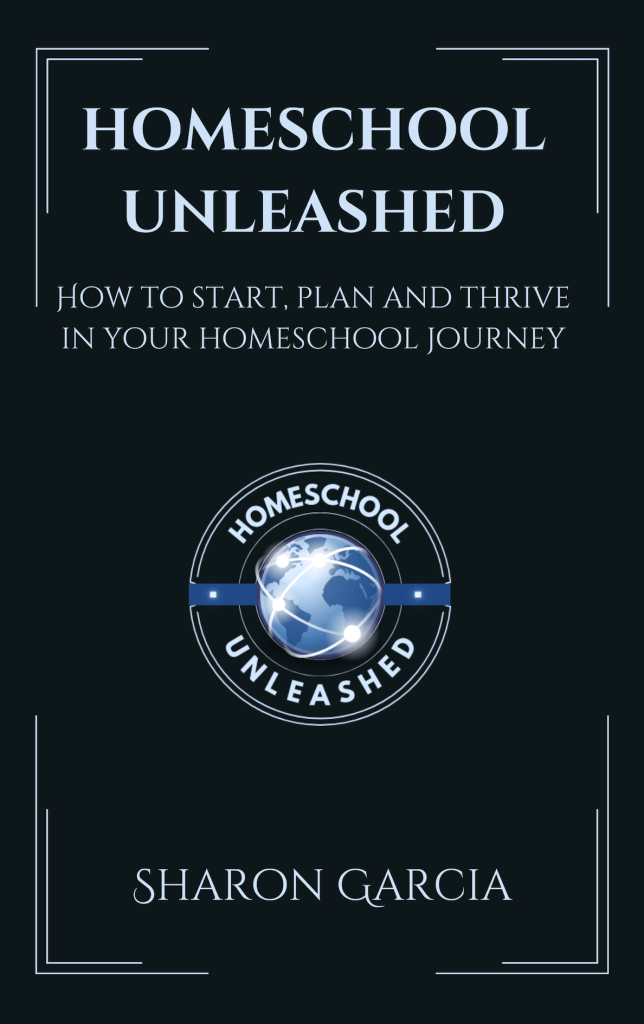
If you’re ready to take your homeschool journey to the next level, check out Homeschool Unleashed: How to Start, Plan, and Thrive in Your Homeschool Journey by: Sharon Garcia.
Packed with practical tips, creative lesson ideas, and real-life strategies from a seasoned homeschool parent, this guide is your blueprint for success — whether you’re just starting out or looking to refine your approach.
👉 Available now on Amazon and Barnes & Noble.





Leave a Reply