Introduction: Why Lifelong Learning Matters
At its very core, life is a soul journey—a path of discovery, growth, and transformation. From the moment a child takes their first step to the day they face life’s inevitable challenges, the thread that runs through every stage is the opportunity to learn. Lifelong learning isn’t just about formal education; it’s about cultivating a mindset that embraces curiosity, adaptability, and resilience.
In today’s rapidly changing world, instilling a passion for learning in our children is more critical than ever. Technology evolves overnight, industries shift, and cultural norms transform. Children who learn how to learn—who view knowledge as a lifelong pursuit rather than a temporary obligation—gain a significant survival advantage. Research shows that lifelong learners are more adaptable, creative, and mentally agile. They develop not only academic skills but also emotional intelligence, problem-solving abilities, and self-motivation—traits that make them thrive in any environment.
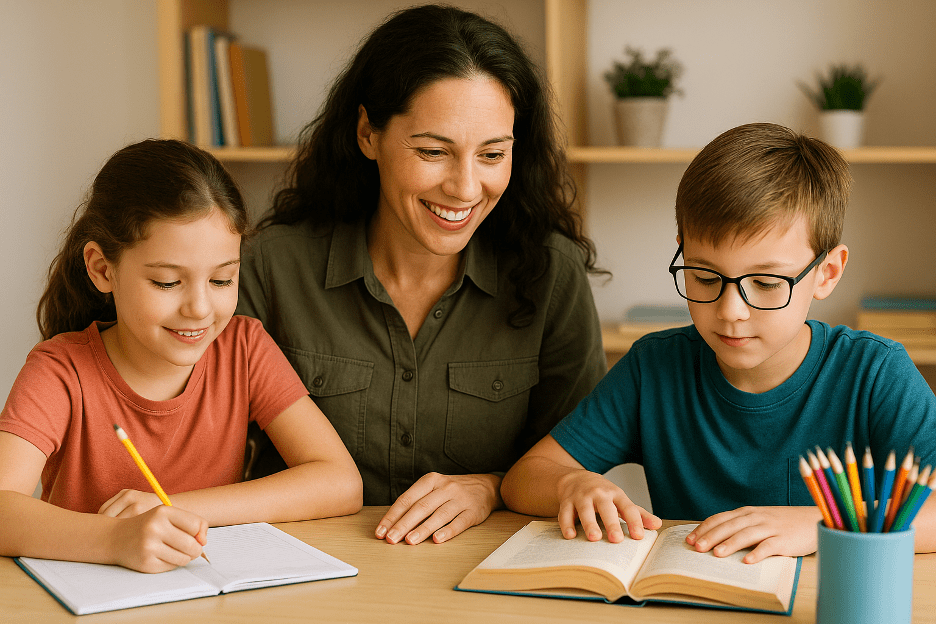
As parents, we have a powerful role: we can model lifelong learning and actively instill it into our children’s everyday lives. In this article, we’ll explore the science of lifelong learning, practical ways to nurture it, strategies for different age groups, and how homeschooling families can use this philosophy to unlock their children’s full potential.
The Science of Lifelong Learning
Modern neuroscience confirms what many parents instinctively know: the brain never stops learning. Neuroplasticity—the brain’s ability to reorganize itself by forming new neural connections—continues throughout life. According to studies from Harvard and Stanford, individuals who engage in continuous learning show stronger cognitive resilience and even reduce risks of age-related decline.
For children, the implications are profound. Kids who grow up in environments where curiosity is encouraged not only retain information better but also develop critical thinking and problem-solving skills. A 2018 study published in Child Development found that when children are allowed to explore and ask questions, they build deeper comprehension and long-term retention compared to rote memorization.
In short: lifelong learning isn’t just philosophical—it’s biological. Our brains are wired to grow, adapt, and thrive when challenged.
Why Parents Should Prioritize Lifelong Learning
For parents, embracing lifelong learning is about much more than academics. It’s about raising children who are:
- Curious thinkers who ask questions about the world around them.
- Resilient problem-solvers who adapt when life doesn’t go as planned.
- Empathetic listeners who seek to understand diverse perspectives.
- Independent learners who take ownership of their education.
When children see learning as an exciting, ongoing adventure, they carry that mindset into adulthood—making them better equipped for careers, relationships, and personal growth.
And here’s the inspiring part: parents don’t need to be experts in every subject. What matters is modeling the attitude—showing kids that you are also learning, exploring, and growing.
Modeling Lifelong Learning as a Parent
Children learn more from what we do than from what we say. If we want our children to embrace learning as a lifestyle, we need to show them what that looks like. Here are some simple but powerful ways to model lifelong learning:
- Read Regularly
Let your kids see you reading books, articles, or even audiobooks. Share what you’re learning.
- Pursue Hobbies and Skills
Whether it’s gardening, photography, playing an instrument, or coding, let your children witness you learning something new.
- Be Curious Out Loud
Ask questions at the dinner table. Wonder aloud about history, science, or current events. Then model how to find answers together.
- Embrace Mistakes
Show your children that making mistakes is part of the learning process. Say things like, “I didn’t get it right the first time, but I’ll try again.”
- Invest in Personal Development
Take a course, attend a workshop, or join a book club. Explain why you’re doing it—not just for your job, but for your growth.
By living as learners ourselves, we set the stage for our children to do the same.
Lifelong Learning Across Age Groups
Early Childhood (Ages 3–7): The Seeds of Curiosity
Young children are naturally curious. Their brains are like sponges, absorbing everything around them. Parents can:
- Read aloud daily and ask open-ended questions.
- Encourage hands-on learning with art, building, and exploration.
- Introduce nature walks, letting children ask questions about animals, plants, and weather.
- Use play-based learning to teach foundational concepts in math, science, and literacy.
Tip: At this age, resist the urge to provide all the answers. Instead, nurture curiosity by responding, “That’s a great question. How could we find out?”
Elementary Age (Ages 8–12): Building Skills and Confidence
As children grow, they begin to identify interests and strengths. Parents can:
- Encourage project-based learning (building a birdhouse, writing a story, creating a science experiment).
- Incorporate responsibility into learning, such as cooking a meal or managing a small budget.
- Teach kids to research topics independently using books and safe online tools.
- Celebrate persistence rather than just results.
This stage is about teaching children that learning isn’t about perfection, but about growth and discovery.
Teen Years (Ages 13–18): Cultivating Independence and Critical Thinking
Teens are forming their identities and preparing for the adult world. Lifelong learning here means helping them:
- Explore passions through electives, apprenticeships, or community service.
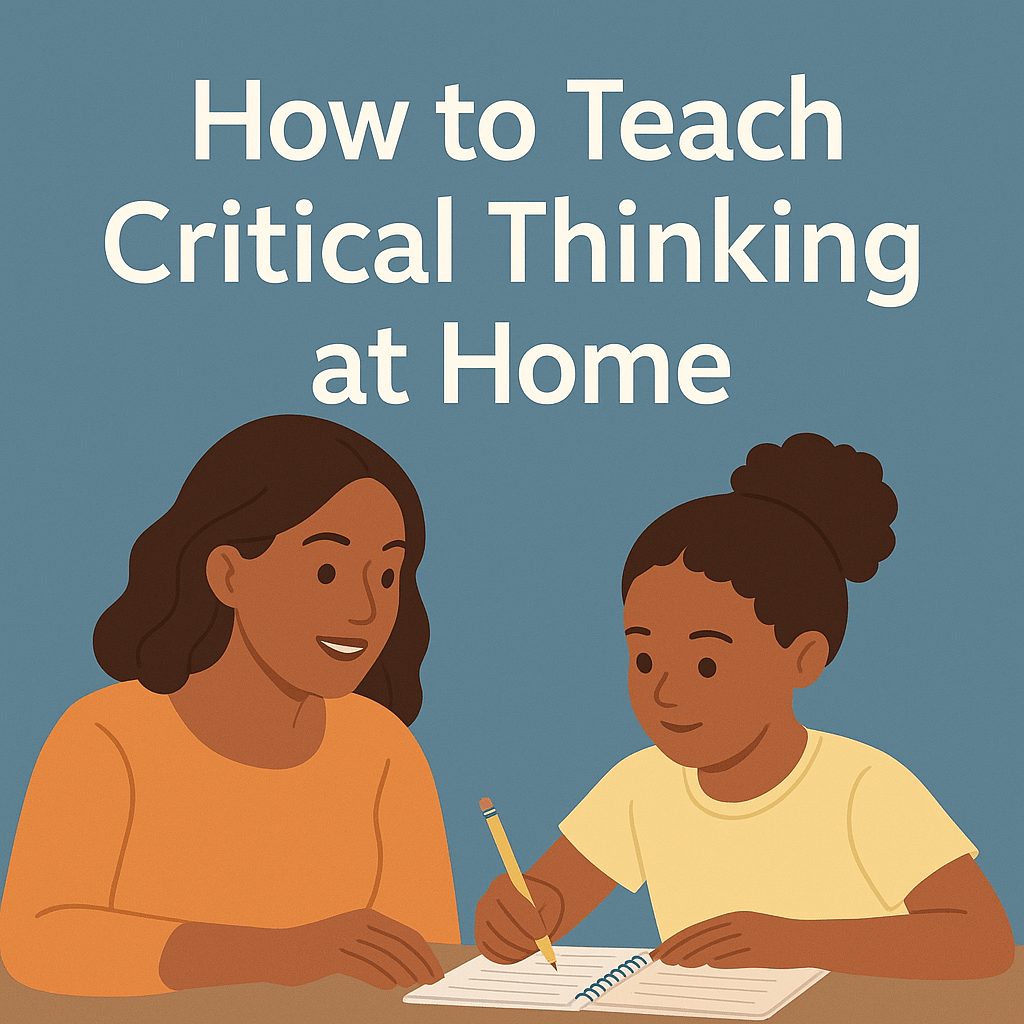
- Develop critical thinking by analyzing news, debating respectfully, and questioning assumptions.
- Learn practical skills such as time management, financial literacy, and household management.
- Balance academic learning with creative outlets like music, art, or entrepreneurship.
Homeschool parents have a unique advantage here: they can customize learning to match each teen’s future goals, whether that’s college, vocational training, or entrepreneurship.
Young Adulthood and Beyond: Transitioning Into Self-Directed Learning
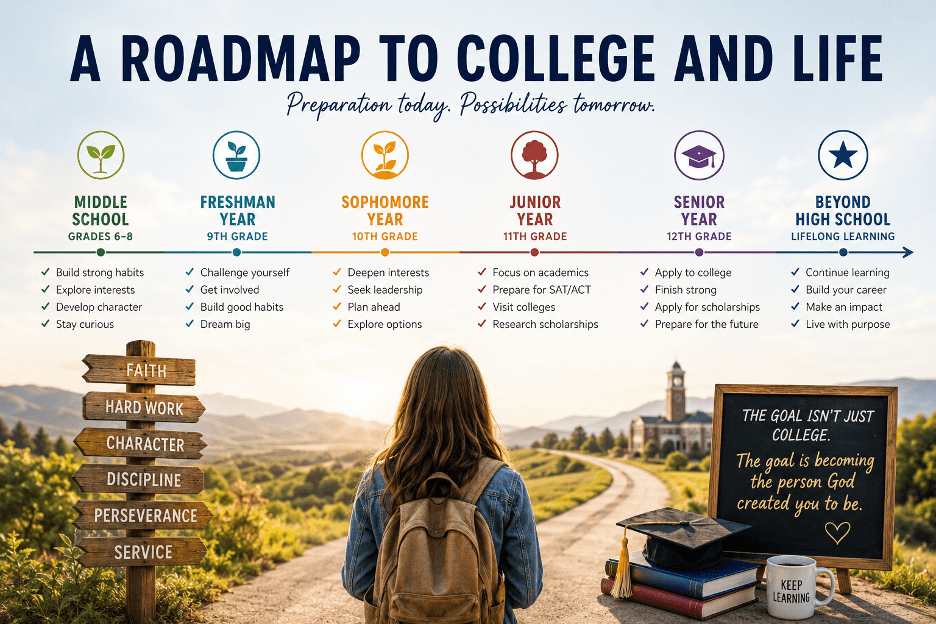
By the time your children leave home, your greatest gift will be the mindset you’ve instilled: that education never ends. Encourage them to:
- Continue reading and studying outside formal education.
- Network with mentors and role models.
- See challenges in careers and relationships as opportunities to learn and grow.
Practical Ways Parents Can Instill Lifelong Learning
Here are actionable strategies parents can weave into everyday life:
- Create a Home Learning Culture
Make your home a place where questions are welcomed, books are accessible, and curiosity is celebrated.
- Encourage Journaling
Writing helps children reflect on what they’ve learned and how they’ve grown.
- Incorporate Real-World Learning
Cooking, budgeting, gardening, and volunteering all teach practical skills.
- Use Technology Wisely
Educational apps, online courses, and documentaries can broaden horizons—just ensure balance with offline learning.
- Celebrate Effort Over Achievement
Reward persistence, creativity, and resilience rather than just grades.
- Practice Growth Mindset Language
Instead of saying “You’re so smart,” say “You worked really hard on that.” This teaches kids that abilities can grow with effort.
The Inspirational Side of Lifelong Learning
When we view life as a soul journey, every experience—good or bad—becomes an opportunity to grow. Teaching this perspective to children gives them a deep resilience. They begin to see challenges as stepping stones rather than obstacles.
- A failed science project becomes a lesson in persistence.
- A difficult math problem becomes training in problem-solving.
- A family move or change becomes an opportunity to adapt and discover.
In this way, lifelong learning is not just about academics—it’s about character formation.
A Word to Homeschooling Parents
If you’re a homeschooling parent, you already know the joy and responsibility of shaping your child’s education. Homeschooling is the perfect environment to nurture lifelong learning because you have the freedom to:
- Tailor lessons to your child’s interests.
- Move beyond rigid curriculums and explore real-world projects.
- Integrate faith, values, and philosophy into daily lessons.
- Spend more time on skills that truly matter for life.
If you’d like more inspiration, free resources, and tips, visit HomeschoolUnleashed.com and sign up for our email list. You’ll receive fresh articles, encouragement, and strategies straight to your inbox.
Recommended Reading
For parents looking for a deeper guide, check out my book:
Homeschool Unleashed: How to Start, Plan, and Thrive in Your Homeschooling Journey by Sharon Garcia.
Now available on Amazon and Barnes & Noble, this resource walks you through the foundations of homeschooling, how to set up a successful plan, and how to create an environment that fosters lifelong learning at home.
Conclusion: Raising Lifelong Learners
At the end of the day, lifelong learning is not a checklist—it’s a way of life. It’s about cultivating curiosity, resilience, adaptability, and joy in every stage of growth.
As parents, we can ignite this spark by modeling learning, encouraging curiosity, and guiding our children through life’s inevitable challenges with a mindset of growth. When we do, we prepare them not just for exams or careers, but for a life well-lived—one of transformation, wisdom, and purpose.
So, let’s embrace our role as co-learners with our children. Let’s build homes where curiosity thrives, mistakes are celebrated, and growth is the ultimate goal. In doing so, we give our children the greatest survival advantage of all: the power to learn, grow, and thrive for a lifetime.




Leave a Reply