

Introduction: Why Nature Matters More Than Ever
In today’s world, dominated by screens, deadlines, and constant stimulation, our connection to nature often takes a backseat. Yet science continues to prove what our ancestors intuitively knew: spending time outdoors nourishes both body and mind. Whether it’s a brisk walk at the local park, a family trip to a national park, or a simple moment of stillness in the backyard, nature provides measurable health benefits for children and adults alike.
For homeschooling families, incorporating nature into the curriculum not only boosts academic growth but also fosters lifelong learning, creativity, and resilience. For busy adults, it becomes a source of stress relief, mental clarity, and physical wellness. In this article, we’ll explore the health and scientific benefits of nature, while also offering educational projects and practical activities for all age groups.
The Health Benefits of Nature: Backed by Science
1. Improved Mental Health and Reduced Stress
Research from Stanford University found that walking in nature significantly reduces rumination—the repetitive cycle of negative thinking linked to depression and anxiety. Just 90 minutes outdoors in natural surroundings showed measurable decreases in brain activity in the subgenual prefrontal cortex, an area associated with mental distress.
For adults juggling responsibilities, this means that a short walk in a green space can reduce stress hormones like cortisol, improve mood, and increase resilience. For children, nature provides a safe outlet for emotions, lowering rates of behavioral challenges.
2. Enhanced Physical Health
The World Health Organization emphasizes that outdoor activity contributes to improved cardiovascular health, muscle strength, and reduced obesity rates. According to the American Heart Association, spending at least 150 minutes a week in moderate outdoor activity like brisk walking or hiking lowers the risk of heart disease and stroke by 35%.
For children, the benefits are even greater. Outdoor play promotes better motor skills, flexibility, and immune system resilience by exposing kids to diverse microbes in natural environments.
3. Boosted Cognitive Function and Creativity
Studies published in Frontiers in Psychology show that time in green environments enhances working memory, attention span, and problem-solving skills. One experiment demonstrated that children who took lessons outdoors scored significantly higher in reading and science than their peers who stayed indoors.
For adults, stepping outside during the workday sparks creativity, improves focus, and boosts productivity. For students, lessons taught in the fresh air often “stick” better than those confined to a desk.
4. Vitamin D and Immune Support
Exposure to sunlight is the most natural way to increase Vitamin D, essential for bone health, immune function, and mood regulation. A Harvard Health study noted that just 10–30 minutes of sun exposure several times per week can maintain healthy Vitamin D levels for most individuals.
Ways to Incorporate Nature Into Your Routine
Nature is not a one-size-fits-all prescription. From grand adventures to simple habits, families and individuals can find ways to fit the outdoors into even the busiest schedule.
1. Everyday Practices
- Morning Walks: Start your day with a 20-minute stroll around your neighborhood. Use it as a reset button before diving into school or work.
- Outdoor Reading Nooks: Take books or homeschooling assignments outside to the backyard, balcony, or park bench.
- Nature Journaling: Keep a log of what you see, hear, and feel outdoors. This combines mindfulness with observational science.
2. Weekend and Family Activities
- Local Park Adventures: Explore a different park every weekend. Add variety with scavenger hunts or picnic-based science experiments.
- Community Gardens: Volunteer at a local garden where kids can learn biology firsthand while adults engage socially.
- National or State Park Visits: Schedule family trips that include hikes, ranger-led educational programs, and historical tours.
3. Seasonal Routines
- Spring: Plant flowers or vegetables and track growth.
- Summer: Stargazing nights with constellations and telescope projects.
- Fall: Leaf identification walks and creative art projects.
- Winter: Birdwatching and journaling animal behavior.
Science-Based Activities and Projects in Nature
Nature is the best laboratory. Here are educational projects by age group that parents can use to blend health and science with outdoor learning.
Early Childhood (Ages 3–6)
- Color Scavenger Hunt: Find objects outdoors that match different colors. This builds observation skills and vocabulary.
- Bug Discovery Jars: Safely collect and observe insects before releasing them. Encourage kids to draw what they see.
- Nature Counting: Count rocks, leaves, or birds to practice early math outdoors.
Elementary (Ages 7–12)
- Leaf Classification Project: Identify tree species using leaf shapes. Create a scrapbook as a science/art hybrid.
- Mini Weather Station: Track temperature, rainfall, and wind daily to learn about meteorology.
- Pollinator Studies: Observe bees, butterflies, or ants and discuss their role in ecosystems.
Middle School (Ages 13–15)
- Soil Testing Experiment: Collect samples from different locations and test pH or moisture.
- Ecology Reports: Assign a project to study a local ecosystem and present findings.
- Solar Oven Project: Build a simple oven from a box and foil, then cook marshmallows or nachos while learning renewable energy concepts.
High School (Ages 16–18)
- Citizen Science Programs: Participate in projects like eBird or Globe at Night, contributing real data to scientific research.
- Field Research Assignment: Conduct a biodiversity survey of a park and analyze findings with charts and graphs.
- Nature & Literature Integration: Analyze how famous authors (e.g., Thoreau, Frost) incorporated nature into their work.
Adults and Busy Professionals
- Forest Bathing (Shinrin-yoku): Spend intentional, screen-free time in the forest to lower blood pressure and stress.
- Nature Photography: Use photography as mindfulness while learning light, composition, and local ecosystems.
- Trail Running or Yoga in the Park: Turn workouts into natural therapy sessions.
The Science of “Biophilia”
Biologist E.O. Wilson coined the term biophilia—the innate human affinity for the natural world. Modern neuroscience confirms that nature exposure activates the parasympathetic nervous system, creating calm, lowering heart rate, and balancing brain chemicals like serotonin.
Urbanization has led to what researcher Richard Louv calls Nature-Deficit Disorder, a term describing the consequences of being disconnected from the outdoors. Countering this deficit through intentional time in green spaces is not just enjoyable—it is essential.
Making Nature Practical for Busy Families and Adults
Time-Efficient Ideas
- Lunch Break Walks: A 10-minute walk in a green space improves focus for the rest of the day.
- Outdoor Homework: Assign spelling words, math drills, or reading on the porch.
- Weekend Micro-Adventures: Even half-day outings provide benefits without needing extended vacations.
Blending Learning with Health
Parents and professionals alike can “stack” benefits by merging physical activity, academic enrichment, and family bonding into one outdoor routine. For example, a hike becomes a biology lesson, an exercise session, and a stress reliever all at once.
Encouragement for Parents and Adults
Incorporating nature into your life doesn’t require perfection or massive time investments. Small, consistent steps—whether it’s sitting under a tree, journaling, or taking your children to a science program—create momentum. Both kids and adults benefit from fresh air, green scenery, and natural wonder.
Remember: the goal is not to add another “task” to your list but to return to what already surrounds us. Nature is freely available, endlessly educational, and deeply healing.
Conclusion: Reclaiming the Power of the Outdoors
From stress reduction and improved cognitive performance to hands-on scientific discovery, nature provides unmatched opportunities for growth. For children, it sparks curiosity and learning; for adults, it restores balance and energy.
As a homeschooling parent, you have the privilege of using nature not just as a backdrop but as a classroom, a gym, and a sanctuary. And as a busy adult, you have the opportunity to reclaim peace, clarity, and health by stepping outside—even for just a few minutes a day.
So grab your walking shoes, your child’s nature journal, or simply a blanket for stargazing. Let nature become part of your daily rhythm, and watch how it transforms not only your health but also your outlook on life.
*************************************************************************
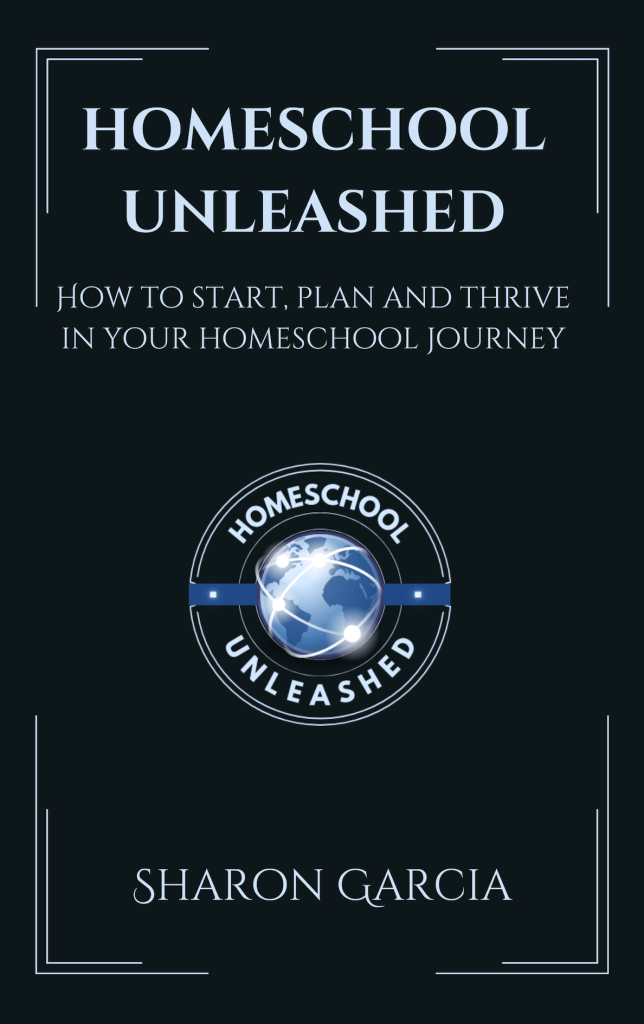
For more encouragement in Homeschooling strategies, and step-by-step guides, visit homeschoolunleashed.com. And for parents starting fresh, check out Homeschool Unleashed: How to Start, Plan, and Thrive in Your Homeschooling Journey, available now on Amazon and Barnes & Noble.




Leave a Reply